
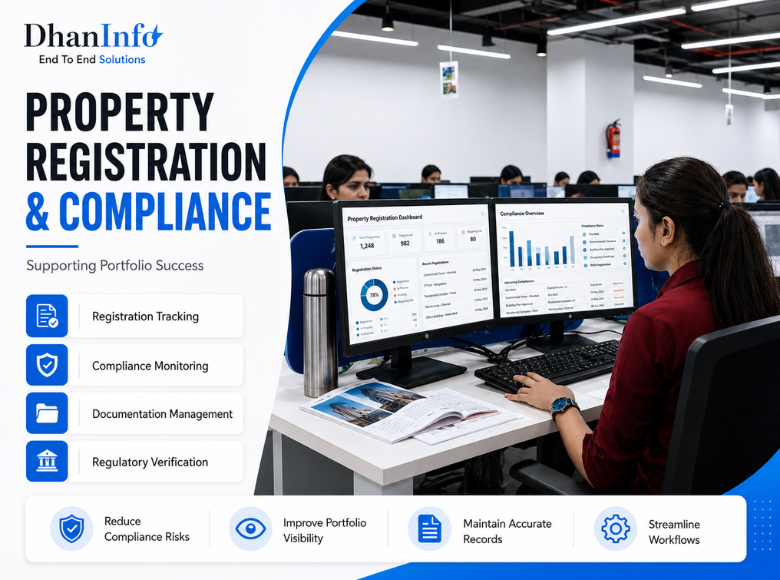
Property management involves more than maintaining buildings and responding to tenant needs. Behind every successful property operation is a structured process for managing registrations, monitoring compliance requirements, and maintaining accurate documentation.
As property portfolios grow, keeping track of registration deadlines, jurisdiction-specific regulations, and compliance obligations becomes increasingly complex. Missing a registration requirement or overlooking a compliance obligation can lead to penalties, operational delays, and unnecessary administrative challenges.
This is why property registration and compliance have become essential components of modern property management. A well-managed registration and compliance process helps organizations reduce risk, improve visibility, and maintain operational efficiency across their portfolios.
Understanding Property Registration and Compliance
Property registration refers to the process of maintaining required records, registrations, filings, and documentation associated with a property. Compliance involves ensuring that properties continue to meet applicable regulatory, legal, and operational requirements throughout their lifecycle.
Together, these functions help organizations maintain accurate records and support ongoing regulatory adherence.
For property managers and asset owners, effective property compliance management is not simply an administrative task. It is an important part of protecting assets and maintaining business continuity.
Why Property Registration Matters
Property registrations often involve multiple deadlines, jurisdictions, and documentation requirements.
Without a structured process for property registration tracking, organizations may face challenges such as:
Missed registration deadlines
Incomplete documentation
Regulatory penalties
Delayed property transactions
Increased administrative workload
Accurate registration tracking provides greater visibility into property obligations and helps ensure that important requirements are completed on time.
For organizations managing large portfolios, maintaining centralized registration records can significantly improve operational efficiency.
The Role of Compliance in Property Management
Compliance requirements can vary depending on location, property type, and regulatory authority.
Effective property compliance monitoring helps organizations stay informed about changing requirements while reducing the likelihood of costly oversights.
Strong compliance programs support:
Regulatory adherence
Risk mitigation
Documentation accuracy
Operational consistency
Portfolio oversight
Rather than reacting to compliance issues after they occur, property managers can establish proactive processes that help identify and address requirements before they become problems.
How Property Registration and Compliance Work Together
Registration and compliance are closely connected.
Property registration provides the foundation for maintaining accurate records, while compliance monitoring helps ensure that ongoing requirements continue to be met.
When organizations integrate property registration services with compliance workflows, they gain better visibility into property obligations and create a more structured approach to portfolio management.
This becomes especially important for organizations operating across multiple cities, counties, or states where requirements may vary significantly.
The Challenges of Managing Multi-State Property Portfolios
As portfolios expand, compliance responsibilities often become more complicated.
Organizations managing multiple locations frequently encounter:
Different jurisdictional requirements
Varying registration processes
Changing regulations
Documentation inconsistencies
Increased administrative demands
Effective multi-state property compliance requires consistent processes, accurate records, and ongoing monitoring to ensure that obligations are met across all locations.
Without proper oversight, compliance risks can increase quickly as portfolios grow.
The Benefits of Lifecycle-Based Registration Tracking
Property registration is not a one-time event. Properties often require ongoing monitoring and updates throughout their lifecycle.
Lifecycle-based property registration tracking helps organizations:
Monitor important deadlines
Maintain accurate records
Track compliance status
Improve operational visibility
Reduce administrative burdens
By maintaining a structured approach to registration management, property teams can improve efficiency while reducing the risk of missed obligations.
How DhanInfo Supports Property Registration and Compliance Workflows
Managing registration requirements and compliance obligations can consume significant time and resources, particularly for organizations with large property portfolios.
Through its Property Management Outsourcing Services, DhanInfo helps organizations streamline registration and compliance workflows by providing:
Property registration tracking support
Compliance monitoring assistance
Documentation management
Regulatory verification support
Quality control processes
Administrative and operational support
By helping clients maintain accurate records and organized compliance workflows, DhanInfo supports greater visibility, consistency, and operational efficiency across property portfolios.
Why Property Registration and Compliance Are Essential for Long-Term Success
Organizations that prioritize property registration and compliance are often better positioned to manage risk, maintain operational continuity, and support portfolio growth.
Strong registration and compliance processes help:
Reduce regulatory risks
Improve portfolio oversight
Support informed decision-making
Increase operational efficiency
Maintain documentation accuracy
Strengthen compliance readiness
As property portfolios become more complex, structured registration and compliance management become increasingly important to long-term success.
FAQ’s
What is property registration in property management?
Property registration involves maintaining required property records, filings, registrations, and documentation to meet applicable regulatory and operational requirements.
Why is property compliance important?
Property compliance helps organizations meet regulatory obligations, reduce risks, maintain accurate documentation, and avoid potential penalties or operational disruptions.
What is property registration tracking?
Property registration tracking is the process of monitoring registration requirements, deadlines, updates, and documentation throughout a property’s lifecycle.
How does compliance monitoring support property management?
Compliance monitoring helps property managers stay informed about changing requirements, maintain regulatory adherence, and improve portfolio oversight.
Who benefits from property registration and compliance services?
Property managers, asset managers, mortgage servicers, REO operators, investors, and organizations managing large property portfolios can all benefit from effective registration and compliance management.
Conclusion
Property registration and compliance are fundamental to effective property management. They provide the framework needed to maintain accurate records, meet regulatory obligations, and support efficient operations across property portfolios.
For property managers, asset owners, and portfolio operators, investing in strong registration tracking and compliance monitoring processes can help reduce risk, improve visibility, and strengthen long-term property performance.
Organizations that establish proactive registration and compliance workflows are better equipped to navigate regulatory requirements while maintaining operational efficiency and portfolio oversight.
Partner with Experts for End-to-End Property Management Support
Looking to streamline property registration tracking, compliance monitoring, and documentation management? DhanInfo's Property Management Outsourcing Services help organizations improve operational efficiency, maintain regulatory adherence, and support effective property portfolio management.
Contact Us